Máy cắt tấm bê tông đúc sẵn: Hướng dẫn toàn diện về máy cắt bê tông đúc sẵn tự động
Trong bất kỳ nhà máy sản xuất bê tông đúc sẵn nào, công đoạn cắt là một trong những bước quan trọng nhất trong toàn bộ quy trình sản xuất. Sau khi các tấm sàn rỗng, tấm tường, dầm chữ T, xà ngang, cột hoặc xà gồ đã được đúc và bảo dưỡng trên bàn đúc, chúng phải được cắt chính xác theo chiều dài quy định của dự án xây dựng. Nếu thực hiện bước này không tốt — với các vết cắt không chính xác, mép thô hoặc chiều dài không đồng đều — thì chất lượng của ngay cả tấm đúc tốt nhất cũng sẽ bị ảnh hưởng trước khi nó rời khỏi cổng nhà máy.
Các phương pháp cắt thủ công truyền thống khiến người lao động phải hít phải bụi bê tông trong thời gian dài, cho độ chính xác cắt không đồng đều và không thể theo kịp năng suất của các máy đùn tốc độ cao hiện đại. Giải pháp là một máy cắt bê tông đúc sẵn tự động — một hệ thống chạy bằng thủy lực, hoàn toàn tự động Máy cắt tấm bê tông đúc sẵn điều này chỉ cần thiết lập một lần là có thể cắt toàn bộ lô khuôn đúc mà không cần bất kỳ thao tác thủ công nào thêm.
Hướng dẫn này trình bày cách thức hoạt động của máy, thông số kỹ thuật đầy đủ, những ưu điểm chính, các bộ phận đúc sẵn tương thích, các mẫu máy hiện có, cũng như cách lựa chọn máy cắt phù hợp cho dây chuyền sản xuất của bạn.
Máy cắt bê tông đúc sẵn tự động là gì?
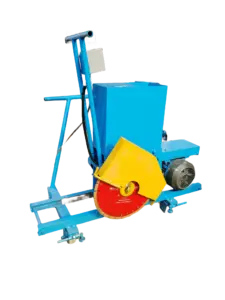
Một máy cắt bê tông đúc sẵn tự động là một hệ thống cắt bằng lưỡi kim cương truyền động thủy lực, được thiết kế chuyên dụng để cắt các cấu kiện bê tông đúc sẵn đã đông cứng — bao gồm tấm sàn rỗng, tấm tường, dầm chữ T, xà ngang, cột, dầm và xà gồ — thành các đoạn có chiều dài chính xác tại nhà máy sản xuất bê tông đúc sẵn.
Không giống như máy mài góc đa năng, máy cưa bê tông cầm tay hay máy cắt vận hành bằng tay, Máy cắt tấm bê tông đúc sẵn Máy hoạt động hoàn toàn tự động sau khi người vận hành đã cài đặt các vị trí cắt cần thiết và khởi động chu trình cắt. Máy di chuyển dọc theo bàn đúc nhờ hệ thống thủy lực, thực hiện từng lần cắt tại vị trí đã lập trình, tự động quay trở lại sau mỗi lần cắt và tiến tới điểm cắt tiếp theo — tất cả đều diễn ra mà không cần người vận hành có mặt hoặc can thiệp trong quá trình cắt.
Chính tính năng tự động hóa hoàn toàn này là yếu tố giúp máy này nổi bật so với các máy cắt thông thường, đồng thời mang lại những lợi thế vượt trội về năng suất, chất lượng cắt và việc bảo vệ sức khỏe người vận hành.
Cách thức hoạt động của hệ thống tự động Máy cắt bê tông đúc sẵn Tác phẩm
Cái máy cắt bê tông đúc sẵn tự động được thiết kế dựa trên một hệ thống cơ khí và thủy lực tích hợp, có chức năng chuyển đổi công suất động cơ thành chuyển động cắt chính xác và được kiểm soát.
Hệ thống cơ khí
Hệ thống cơ khí bao gồm động cơ cắt chính, các bộ phận điều khiển điện, cơ cấu di chuyển kiểu bánh răng và thanh răng hoặc thanh dẫn hướng, cùng các tấm chắn bảo vệ xung quanh lưỡi cắt. Động cơ cắt truyền động cho lưỡi cắt kim cương quay với tốc độ cao — lên đến 2.000 vòng/phút — để cắt qua bê tông cốt thép đã đông cứng với các vết cắt gọn gàng và chính xác. Cơ chế di chuyển mang đầu cắt di chuyển ngang qua toàn bộ chiều rộng của bàn đúc dưới sự điều khiển thủy lực, với tốc độ tiến dao được kiểm soát từ 0 đến 2,5 mét mỗi phút.
Hệ thống thủy lực
Hệ thống thủy lực là nguồn sức mạnh chủ chốt của máy cắt bê tông đúc sẵn tự động. Một máy bơm thủy lực chuyển đổi năng lượng cơ học từ động cơ thành năng lượng thủy lực, tạo ra áp suất dầu lên đến 16 MPa. Dầu áp suất này truyền động các xi lanh thủy lực để điều khiển chuyển động ngang của đầu cắt dọc theo chiều rộng tấm bê tông, cũng như chuyển động dọc (độ sâu cắt) của lưỡi dao vào bê tông. Cả chuyển động ngang và dọc đều hoàn toàn tự động — máy tiến vào, cắt qua và quay trở lại mà không cần người vận hành tác động lực bằng tay.
Hệ thống điều khiển
Một mạch điều khiển điện áp thấp quản lý trình tự các chuyển động di chuyển ngang, cắt sâu và quay trở lại. Thiết kế mạch điều khiển điện áp thấp đặt an toàn của người vận hành lên hàng đầu đồng thời đảm bảo hệ thống điện đơn giản và đáng tin cậy. Người vận hành thiết lập các vị trí cắt trước khi chu trình bắt đầu, và máy sẽ tự động thực hiện toàn bộ chương trình cắt.
Thông số kỹ thuật đầy đủ
Cái máy cắt bê tông đúc sẵn tự động sản phẩm này có hai mẫu chính — KZ650 và KZ1200 — chủ yếu được phân biệt dựa trên khả năng cắt tối đa về chiều rộng. Các thông số kỹ thuật chính bao gồm:
| Tham số | Thông số kỹ thuật |
|---|---|
| Độ dày cắt tối đa | ≤ 220 mm |
| Độ dày rãnh cắt (của lưỡi dao) | 5 mm |
| Đường kính lưỡi dao | φ400 mm hoặc φ500 mm |
| Tốc độ quay của lưỡi dao | 2.000 vòng/phút |
| Độ sâu cắt tối đa cho mỗi lần cắt | ≤ 10 mm |
| Công suất động cơ chính | 11 kW |
| Áp suất định mức của bơm dầu | 16 MPa |
| Chiều rộng cắt tối đa — KZ650 | ≤ 650 mm |
| Chiều rộng cắt tối đa — KZ1200 | ≤ 1.200 mm |
| Tốc độ cắt ngang | 0 – 2,5 m/phút (có thể điều chỉnh) |
| Trọng lượng máy | 600 kg |
| Kích thước tổng thể (Dài × Rộng × Cao) | 1.500 × 1.050 × 1.150 mm |
Việc lựa chọn giữa các mẫu KZ650 và KZ1200 phụ thuộc vào chiều rộng tối đa của các cấu kiện đúc sẵn cần cắt. Đối với các tấm tường tiêu chuẩn (rộng 600 mm) và hầu hết các cấu hình dầm chữ T và xà ngang, KZ650 thường là đủ. Đối với các tấm sàn rỗng rộng hơn hoặc các cấu kiện đúc sẵn rộng hơn khác, KZ1200 cung cấp khả năng cắt với chiều rộng cần thiết.
Độ dày cắt tối đa 220 mm bao quát toàn bộ dải độ dày của các tấm tường được sản xuất bằng máy đùn tiêu chuẩn (từ 60 mm đến 200 mm), cũng như hầu hết các loại tấm sàn rỗng và dầm chữ T được sử dụng trong xây dựng nhà ở và thương mại.
Những ưu điểm nổi bật của máy cắt bê tông đúc sẵn tự động
Hoạt động hoàn toàn tự động — Không cần can thiệp thủ công
Sau khi người vận hành đã thiết lập các vị trí cắt và khởi động chu trình, máy cắt bê tông đúc sẵn tự động hoàn tất toàn bộ quy trình cắt mà không cần sự can thiệp thêm của con người. Máy di chuyển dọc theo bàn máy, thực hiện cắt tại từng vị trí đã được lập trình, tự động quay trở lại và chuyển sang vị trí cắt tiếp theo — giúp người vận hành có thể thực hiện các công việc khác trong suốt chu trình cắt. Đây chính là lợi thế vận hành quan trọng nhất so với các thiết bị cắt điều khiển thủ công.
Hiệu suất cắt cao hơn 2–3 lần
Hệ thống cấp liệu và di chuyển tự động, kết hợp với tốc độ cắt ổn định và giúp giảm bớt sự mệt mỏi cho người vận hành, khiến cho Máy cắt tấm bê tông đúc sẵn hiệu quả gấp hai đến ba lần so với các máy cắt thủ công thông thường. Số lượng đường cắt hoàn thành trong mỗi ca làm việc tăng lên, đồng thời thời gian chờ giữa các lần cắt được rút ngắn tối đa nhờ cơ chế tự động lùi và tiến.
Độ chính xác của đường cắt
Hệ thống truyền động thủy lực và cơ cấu di chuyển dẫn hướng bằng thanh răng đảm bảo vị trí cắt và độ vuông góc ổn định – điều mà phương pháp cắt thủ công không thể đạt được một cách đáng tin cậy. Chiều dài cắt chính xác là yếu tố then chốt đối với các cấu kiện đúc sẵn, vốn phải khớp chính xác vào khung kết cấu hoặc đáp ứng các dung sai kích thước chặt chẽ để đạt chứng nhận chất lượng. máy cắt bê tông đúc sẵn tự động loại bỏ hoàn toàn sự biến động do người vận hành gây ra trong quá trình cắt.
Các mép cắt gọn gàng
Quá trình cắt bằng lưỡi cưa kim cương ở tốc độ vòng quay cao (RPM), kết hợp với tốc độ tiến dao được kiểm soát, tạo ra các mép cắt gọn gàng với mức độ sứt mẻ hoặc bong tróc tối thiểu trên bề mặt bê tông. Các mép cắt gọn gàng giúp giảm thiểu hoặc loại bỏ nhu cầu phải xử lý lại mép trước khi các tấm panel hoặc tấm bê tông được xuất xưởng.
Bảo vệ hoàn toàn khỏi bụi — Không gây nguy cơ cho sức khỏe người vận hành
Việc cắt bê tông thủ công khiến người lao động phải hít phải bụi bê tông mịn và bụi silic trong thời gian dài — đây là một trong những nguy cơ sức khỏe nghề nghiệp nghiêm trọng nhất trong sản xuất bê tông, có liên quan đến bệnh silicosis và các bệnh hô hấp mãn tính khác. Bởi vì máy cắt bê tông đúc sẵn tự động Sau khi được cài đặt, máy hoạt động hoàn toàn tự động, người vận hành không cần phải đứng bên cạnh máy trong quá trình cắt. Kết hợp với các tấm chắn lưỡi dao tích hợp sẵn trên máy, điều này giúp loại bỏ hoàn toàn con đường tiếp xúc chính với bụi bê tông trong quá trình cắt — từ đó bảo vệ sức khỏe người lao động và giảm thiểu rủi ro pháp lý về an toàn lao động cho người sử dụng lao động.
Cấu trúc đơn giản, dễ bảo trì
Mặc dù có khả năng tự động hóa, hệ thống cơ khí và thủy lực của máy lại có thiết kế đơn giản. Các công việc bảo dưỡng định kỳ — thay lưỡi dao, kiểm tra dầu thủy lực, kiểm tra tấm chắn — đều dễ thực hiện và không phức tạp, giúp giảm thiểu thời gian ngừng hoạt động và chi phí bảo dưỡng trong suốt vòng đời của máy.
Hệ thống điều khiển điện áp thấp an toàn và đáng tin cậy
Mạch điều khiển điện hoạt động trên hệ thống điện áp thấp, giúp giảm thiểu nguy cơ tai nạn điện trong môi trường ẩm ướt và nhiều bụi của nhà máy sản xuất bê tông đúc sẵn. Cấu trúc điều khiển đơn giản cũng giúp giảm khả năng xảy ra sự cố điện và đơn giản hóa quá trình khắc phục sự cố khi có vấn đề phát sinh.
Các bộ phận bê tông đúc sẵn tương thích
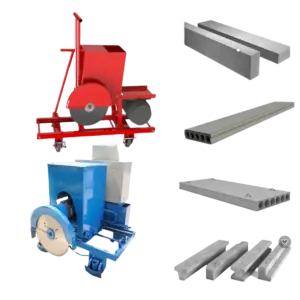
Cái máy cắt bê tông đúc sẵn tự động được thiết kế như một giải pháp cắt đa năng dành cho các nhà máy sản xuất bê tông đúc sẵn. Sản phẩm này tương thích với toàn bộ các loại cấu kiện được sản xuất bằng phương pháp đúc trượt và phương pháp đúc trên bàn đúc:
Tấm bê tông rỗng Các tấm sàn và mái rỗng được sản xuất bằng máy đùn tấm rỗng là một trong những ứng dụng chính của máy cắt tự động. Sau khi đông cứng trên bàn đúc, dải tấm liên tục phải được cắt thành các đoạn có chiều dài nhịp phù hợp với yêu cầu của từng dự án xây dựng. Mẫu YZQ1200 có thể xử lý toàn bộ chiều rộng của các cấu hình tấm rỗng tiêu chuẩn.
Tấm tường bê tông đúc sẵn Các tấm tường được sản xuất bằng máy sản xuất tấm tường bê tông nhẹ hoặc máy đùn tấm tường sẽ được cắt theo chiều cao từ sàn đến trần theo yêu cầu tại từng công trường. Mẫu YZQ650 có thể dễ dàng xử lý các tấm tường có chiều rộng tiêu chuẩn 600 mm.
Dầm chữ T và xà gồ bê tông Các dầm T dự ứng lực được sản xuất bằng máy tạo hình dầm T sẽ được cắt theo chiều dài nhịp phù hợp với yêu cầu của từng hệ thống sàn hoặc mái. Chiều dài cắt chính xác là yếu tố quan trọng quyết định khả năng chịu lực của dầm và sự khớp nối với khung kết cấu.
Xà ngang bê tông Các thanh đà đúc sẵn lắp trên các lỗ cửa ra vào và cửa sổ đòi hỏi phải có chiều dài cắt chính xác để lắp vừa khít vào các lỗ khung gạch hoặc bê tông. Máy cắt tự động đảm bảo độ chính xác về kích thước mà các bộ phận này yêu cầu.
Cột và trụ bê tông Các cột và trụ đúc sẵn được sản xuất bằng máy đùn cột hoặc máy đúc trụ sẽ được cắt theo chiều cao kết cấu yêu cầu sau khi đông cứng.
Xà gồ (Cột bê tông) Các thanh xà gồ bê tông đúc sẵn được sử dụng trong các công trình nông nghiệp, công trình công nghiệp và hệ thống mái nhẹ được cắt theo chiều dài phù hợp với khoảng cách giữa các xà gồ.
Dầm bê tông Các thanh dầm hình chữ nhật và các loại thanh dầm khác được sản xuất bằng phương pháp đúc khuôn được cắt theo chiều dài nhịp yêu cầu để sử dụng trong các công trình kết cấu hoặc kiến trúc.
Vai trò của máy cắt tấm bê tông đúc sẵn trong quy trình sản xuất
Hiểu rõ vị trí của Máy cắt tấm bê tông đúc sẵn phù hợp với quy trình sản xuất bê tông đúc sẵn tổng thể, làm rõ tầm quan trọng của nó đối với hiệu quả sản xuất và chất lượng sản phẩm:
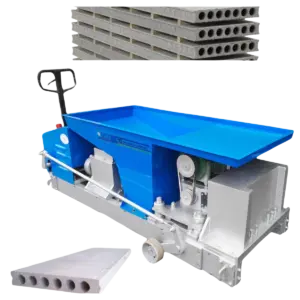
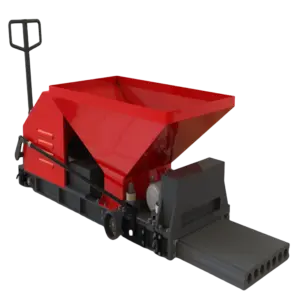
Bước 1 — Ép đùn / Đúc Máy đùn (máy đùn tấm tường, máy đùn tấm bê tông rỗng, máy sản xuất dầm chữ T, v.v.) tạo ra các sản phẩm liên tục dọc theo toàn bộ chiều dài của bàn đúc.
Bước 2 — Quá trình đóng rắn ban đầu Các thành phần sẽ đông cứng trên bệ đúc trong khoảng thời gian cần thiết — thường là từ 8 đến 16 giờ để đông cứng ban đầu, tùy thuộc vào hỗn hợp bê tông và nhiệt độ môi trường.
Bước 3 — Cắt Cái máy cắt bê tông đúc sẵn tự động được đặt ở đầu bàn máy. Người vận hành đánh dấu hoặc lập trình các vị trí cắt cần thiết dựa trên yêu cầu về chiều dài của dự án, khởi động chu trình cắt và lùi lại. Máy tự động di chuyển dọc theo bàn máy, cắt từng chi tiết theo chiều dài đã định tại mỗi vị trí đã lập trình.
Bước 4 — Nâng và xếp chồng Các chi tiết đã cắt được nâng ra khỏi bàn đúc — bằng máy nâng tấm tường, cần trục treo trần hoặc xe nâng — rồi xếp chồng lên nhau để tiếp tục quá trình đông cứng và bảo quản trước khi giao hàng.
Bước 5 — Hoàn tất quá trình đóng rắn và giao hàng Các cấu kiện được ủ hoàn toàn trong kho (thường là 10–15 ngày đối với tấm tường) trước khi tiến hành kiểm tra chất lượng và vận chuyển đến công trường.
Công đoạn cắt là điểm đòi hỏi độ chính xác cao nhất trong quy trình sản xuất. Mỗi milimet sai lệch trong quá trình cắt đều trở thành khuyết tật về kích thước trên sản phẩm hoàn thiện. máy cắt bê tông đúc sẵn tự động đảm bảo bước này luôn đáp ứng các giới hạn dung sai quy định, lô này qua lô khác, mà không phụ thuộc vào kỹ năng hay sự tập trung của từng người vận hành.
Lựa chọn mẫu sản phẩm phù hợp: KZ650 so với KZ1200
Hai mô hình chính của máy cắt bê tông đúc sẵn tự động khác nhau về khả năng cắt tối đa, yếu tố này quyết định loại cấu kiện đúc sẵn nào mà chúng có thể xử lý:
KZ650 — Chiều rộng cắt tối đa ≤ 650 mm KZ650 là mẫu máy tiêu chuẩn cho hầu hết các dây chuyền sản xuất tấm tường đúc sẵn. Các tấm tường tiêu chuẩn có chiều rộng 600 mm — hoàn toàn nằm trong phạm vi công suất 650 mm của máy. Máy này cũng đáp ứng được hầu hết các loại dầm chữ T, xà ngang, cột và xà gồ, vốn thường có chiều rộng hẹp hơn 650 mm. Đối với các nhà sản xuất có sản phẩm chính là tấm tường và các bộ phận kết cấu nhỏ hơn, YZQ650 cung cấp khả năng cần thiết với chi phí đầu tư thấp hơn.
KZ1200 — Chiều rộng cắt tối đa ≤ 1.200 mm Máy KZ1200 được thiết kế dành cho các dây chuyền sản xuất sử dụng các cấu kiện đúc sẵn có kích thước rộng hơn — đặc biệt là tấm sàn rỗng. Chiều rộng tiêu chuẩn của tấm sàn rỗng thường là 1.200 mm, và một số mẫu có chiều rộng lớn hơn. YZQ1200 cũng mang lại tính tương lai cho các nhà máy có thể mở rộng phạm vi sản phẩm của mình để bao gồm các định dạng tấm hoặc tấm sàn rộng hơn. Đối với các nhà máy đúc sẵn toàn diện sản xuất cả tấm tường và tấm sàn rỗng, KZ1200 là lựa chọn được khuyến nghị.
Cả hai mẫu máy đều có cùng các thông số kỹ thuật cơ bản: động cơ 11 kW, áp suất thủy lực 16 MPa, độ dày cắt tối đa 220 mm, cùng chu trình di chuyển ngang, cắt và quay trở lại hoàn toàn tự động.
Cách chọn máy cắt bê tông đúc sẵn tự động phù hợp
Khi đánh giá một máy cắt bê tông đúc sẵn tự động Đối với cơ sở sản xuất của quý vị, hãy cân nhắc các yếu tố lựa chọn sau:
Chiều rộng tối đa của phần tử Tiêu chí lựa chọn cơ bản nhất. Hãy đo chiều rộng lớn nhất của loại cấu kiện đúc sẵn mà quý vị hiện đang sản xuất hoặc dự định sản xuất, và chọn mẫu máy có khả năng cắt rộng hơn con số đó một cách thoải mái.
Độ dày tối đa của chi tiết Hãy đảm bảo rằng độ dày cắt tối đa 220 mm đáp ứng được tất cả các độ dày của các cấu kiện trong phạm vi sản xuất của quý vị. Đối với các tấm tường tiêu chuẩn (lên đến 200 mm) và hầu hết các loại dầm rỗng, độ dày 220 mm là đủ. Đối với các cấu kiện đặc biệt có độ dày lớn hơn, vui lòng trao đổi yêu cầu với nhà sản xuất.
Lựa chọn đường kính lưỡi dao Máy có sẵn với lưỡi cắt kim cương có đường kính 400 mm hoặc 500 mm. Lưỡi cắt 500 mm lớn hơn giúp tăng độ sâu cắt thực tế tối đa trong một lần cắt. Hãy chọn đường kính lưỡi cắt phù hợp với dải độ dày của vật liệu mà bạn sẽ cắt thường xuyên nhất.
Khả năng tương thích về chiều dài giường đúc Hãy xác nhận rằng cơ cấu di chuyển ngang và chiều dài đường ray dẫn hướng của máy tương thích với chiều dài của các bàn đúc. Đối với các bàn đúc có chiều dài rất lớn (100 m trở lên), hãy thảo luận với nhà sản xuất về các phương án hệ thống di chuyển ngang.
Yêu cầu về khối lượng sản xuất Đối với các dây chuyền sản xuất có công suất rất lớn, nơi tốc độ cắt là yếu tố gây tắc nghẽn, hãy xem xét phạm vi tốc độ cắt ngang (0–2,5 m/phút) dựa trên số lần cắt cần thiết cho mỗi bàn máy mỗi ngày và khoảng thời gian cắt có sẵn trong lịch trình sản xuất của bạn.
Tích hợp với dây chuyền sản xuất hiện có Nếu quý vị đang lắp đặt một máy cắt vào dây chuyền sản xuất đùn hiện có, hãy kiểm tra tính tương thích về kích thước giữa máy cắt và hệ thống ray dẫn hướng của bàn đúc. Một nhà cung cấp có kinh nghiệm sẽ xác minh tính tương thích này trong quá trình xác định thông số kỹ thuật thiết bị.
Câu hỏi thường gặp
Hỏi: Máy có yêu cầu người vận hành phải có mặt trong quá trình cắt không? A: Không. Sau khi người vận hành đã thiết lập các vị trí cắt và khởi động chu trình, thì máy cắt bê tông đúc sẵn tự động hoàn thành tất cả các đường cắt theo trình tự đã lập trình mà không cần bất kỳ sự can thiệp thủ công nào thêm. Đây chính là đặc điểm nổi bật giúp phân biệt máy này với các máy cắt thông thường và cũng là lý do chính giúp loại bỏ nguy cơ tiếp xúc với bụi bê tông cho người vận hành.
Hỏi: Máy này sử dụng loại lưỡi dao nào? A: Máy sử dụng lưỡi cưa kim cương — có đường kính 400 mm hoặc 500 mm — quay với tốc độ lên đến 2.000 vòng/phút. Lưỡi cưa kim cương là dụng cụ cắt tiêu chuẩn cho bê tông cốt thép vì chúng có thể cắt xuyên qua cả lớp bê tông và các sợi thép hoặc dây thép cốt thép bên trong một cách gọn gàng và hiệu quả.
Hỏi: Máy có thể cắt sâu bao nhiêu trong một lần cắt? A: Độ sâu cắt tối đa cho mỗi lần cắt là 10 mm. Đối với các cấu kiện dày hơn 10 mm — bao gồm hầu hết các tấm sàn, tấm vách và dầm đúc sẵn — máy sẽ thực hiện nhiều lần cắt, điều chỉnh độ sâu cắt giảm dần theo từng bước cho đến khi cắt xuyên qua toàn bộ độ dày của cấu kiện. Hệ thống cấp liệu tự động sẽ tự động điều khiển quy trình cắt nhiều lần này.
Hỏi: Máy có thể cắt các cấu kiện bê tông dự ứng lực có cốt thép dây không? A: Đúng vậy. Lưỡi cưa kim cương được thiết kế chuyên dụng để cắt bê tông cốt thép và bê tông dự ứng lực, bao gồm cả các cấu kiện chứa dây hoặc sợi thép có độ bền kéo cao. Điều này giúp máy hoàn toàn tương thích với tất cả các cấu kiện dự ứng lực được sản xuất bằng phương pháp đùn.
Câu hỏi: Bụi bê tông được xử lý như thế nào trong quá trình cắt? A: Các tấm chắn lưỡi dao tích hợp trên máy giúp ngăn chặn bụi phát sinh trong quá trình cắt, và nhờ chế độ vận hành hoàn toàn tự động, người vận hành không cần phải đứng bên cạnh máy trong suốt chu trình cắt. Đối với các môi trường sản xuất có yêu cầu kiểm soát bụi nghiêm ngặt, có thể tích hợp hệ thống làm mát bằng nước hoặc hệ thống hút bụi. Sự kết hợp giữa chế độ vận hành tự động và tấm chắn lưỡi dao giúp loại bỏ hoàn toàn tình trạng tiếp xúc với bụi kéo dài, vốn là đặc trưng của các phương pháp cắt thủ công.
Kết luận
A Máy cắt tấm bê tông đúc sẵn không phải là một phụ kiện phụ trong dây chuyền sản xuất bê tông đúc sẵn — đây là một bộ phận đòi hỏi độ chính xác cao, quyết định độ chính xác về kích thước, chất lượng sản phẩm và hiệu quả hoạt động của tất cả các sản phẩm do máy đùn tạo ra. Một máy cắt bê tông đúc sẵn tự động biến công đoạn này từ một quy trình thủ công, bụi bặm và thiếu nhất quán thành một quy trình hoàn toàn tự động, có thể lặp lại và an toàn cho sức khỏe, đồng thời đáp ứng được năng suất của các máy đùn tốc độ cao hiện đại.
Với hai mẫu máy — KZ650 dành cho dây chuyền sản xuất tấm tường và các bộ phận kết cấu, KZ1200 dành cho các nhà máy sản xuất toàn diện bao gồm cả sản xuất tấm sàn rỗng — dòng máy cắt tự động này đáp ứng đầy đủ mọi yêu cầu trong sản xuất bê tông đúc sẵn. Kết hợp với lợi thế hiệu suất gấp 2–3 lần so với cắt thủ công, hệ thống truyền động thủy lực chính xác và việc loại bỏ hoàn toàn nguy cơ tiếp xúc với bụi của người vận hành, dòng máy này là một trong những khoản đầu tư thiết bị hỗ trợ có giá trị nhất tại bất kỳ cơ sở sản xuất bê tông đúc sẵn nào.
Để xem thông số kỹ thuật đầy đủ, so sánh các mẫu máy và giá cả của máy cắt bê tông đúc sẵn tự động cũng như các thiết bị dây chuyền sản xuất bê tông đúc sẵn hoàn chỉnh, vui lòng truy cập Công ty TNHH Thiết bị Máy móc KZONG Trịnh Châu.