Prekast Beton Duvar Paneli Üretim Makineleri İçin Kapsamlı Kılavuz: 2026’da Modern İnşaatta Devrim Yaratıyor
İnşaat sektörü, daha hızlı, daha verimli ve daha sürdürülebilir inşaat yöntemlerine yönelik artan talebin itici gücüyle önemli bir dönüşüm sürecinden geçmektedir. Bu dönüşümün merkezinde ise prekast beton duvar paneli üretim makinesi, dünya çapında duvarların üretilme ve monte edilme şeklini yeniden şekillendiren bir endüstriyel teknoloji. Rekabet gücünü korumak isteyen müteahhitler, geliştiriciler ve ekipman alıcıları için bu makinelerin nasıl çalıştığını anlamak ve doğru tedarikçiyi seçmek hayati önem taşır. Bu kılavuz, sektörün önde gelen çözümlerini, teknolojisini, uygulama alanlarını ve satın alma sürecinde dikkate alınması gereken hususları ele alırken, özellikle Zhengzhou KZONG Makine Ekipman Co, Ltd.
1. Prekast Beton Duvar Paneli Üretim Makinesi Nedir?
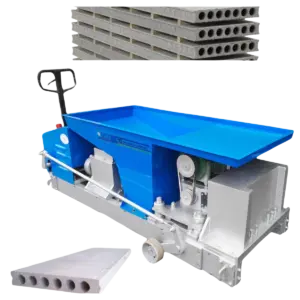
A prekast beton duvar paneli üretim makinesi Bu, beton duvar panellerinin inşaat sahasında değil, kontrollü bir fabrika ortamında üretilmesi için kullanılan özel ekipmandır. Sertleşen bitmiş paneller şantiyeye nakledilir ve vinçler veya kaldırma ekipmanları kullanılarak monte edilir; bu da şantiyedeki inşaat süresini önemli ölçüde kısaltır.
Genellikle “prefabrik” veya “şantiye dışı inşaat” olarak adlandırılan bu “fabrikada imalat, şantiyede montaj” yaklaşımı, geleneksel yerinde döküm yöntemlerine kıyasla daha sıkı kalite kontrolü, daha tutarlı panel boyutları, şantiyede daha az işgücü ihtiyacı ve hava koşullarına bağlı gecikmelere daha az maruz kalma gibi çeşitli yapısal avantajlar sunar.
2. Ekstrüzyon Süreci Nasıl İşler?
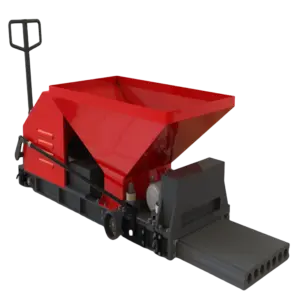
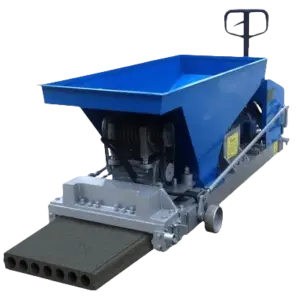
Çeşitli panel şekillendirme teknolojileri arasında, ekstrüzyon tipi prefabrik beton duvar paneli makinesi günümüzde mevcut olan en gelişmiş yaklaşımı temsil etmektedir. Statik kalıplara ve manuel kalıp açma döngülerine dayanan eski çekme kalıplı veya itme makinelerinin aksine, ekstrüzyon makineleri betonun şekillendirme kalıbından itilmesi yoluyla panelleri sürekli olarak şekillendirir — bu prensip, bir ekstrüderin hamuru veya metali şekillendirme şekline benzer.
Sistem, üç entegre bileşenin etrafında şekillenmiştir:
- Güç sistemi – makinenin mekanik bileşenlerini çalıştırır ve malzeme besleme hızını ayarlar.
- Ekstrüzyon sistemi – beton karışımını sıkıştıran ve sürekli basınç altında kalıplama boşluğuna iten bir dizi yüksek hızlı dönen burgu.
- Titreşim sistemi – kalıptan çıkarken karışımı daha da sıkılaştıran, hava ceplerini ve iç boşlukları ortadan kaldıran bir yüksek frekanslı titreşim motoru.
Helezonlu sıkıştırma ve yüksek frekanslı titreşimin birleşimi, makineden çıktığı anda yoğun, yapısal olarak sağlam ve pürüzsüz, kırışıksız bir yüzeye sahip bir panel ortaya çıkarır — bu, üretim kalitesinin güçlü bir görsel göstergesidir ve ekstrüzyon panellerinin genellikle kurulum öncesinde daha az yüzey işleme gerektirmesinin nedenlerinden biridir.
3. Ekstrüzyon, Çekme Kalıplama ve İtme Makineleri
| Özellik | Ekstrüzyon Makinesi | Çekme-Kalıplama Makinesi | İtme Makinesi |
|---|---|---|---|
| Üretim yöntemi | Sürekli şekillendirme | Dökümden sonra kalıp çıkarıldı | Sabit kalıptan dışarı itilen panel |
| Yüzey kalitesi | Pürüzsüz bir yüzey; çok az son işlem gerektirir | Orta derecede, küf izleri olabilir | Orta |
| Üretim hızı | Yüksek (sürekli) | Orta | Orta |
| Panel yoğunluğu/mukavemeti | Yüksek, burgu ve titreşim nedeniyle | Titreşim masasına bağlıdır | Sıkıştırma yöntemine bağlıdır |
| Otomasyon potansiyeli | Yüksek | Orta | Orta |
| En uygun olduğu durumlar | Yüksek hacimli fabrika üretimi | Küçük ve orta ölçekli seri üretim | Küçük ve orta ölçekli seri üretim |
Yüksek verimli üretim süreçleri planlayan üreticiler için, ekstrüzyon teknolojisi genellikle hız, tutarlılık ve bitmiş yüzey kalitesi açısından en iyi kombinasyonu sunar.
4. Ekstrüde Duvar Panellerinin Kullanım Alanları
Şunun çok yönlülüğü: prekast beton duvar paneli makinesi Üreticilerin, proje gereksinimlerine göre hem delikli hem de dolu paneller üretmesine olanak tanır. Bu paneller öncelikle yük taşımayan uygulamalar için tasarlanmıştır; bu da onları aşağıdakiler gibi çok çeşitli iskelet yapılı binalar için son derece uygun hale getirir:
- Konut apartmanları
- Ofis kuleleri ve ticari kompleksler
- Alışveriş merkezleri ve perakende projeleri
- Hastaneler ve sağlık kurumları
- Endüstriyel atölyeler ve depolar
- Ön döküm sınır ve çevre duvarları
- Temel şablonları ve kalıplar
Paneller yük taşımayan yapıya sahip oldukları için, genellikle bir yapısal çerçeve içinde iç bölme duvarları ve dış cephe kaplaması olarak kullanılırlar; bu sayede binanın ana yapısı üzerindeki yükü azaltırken, aynı zamanda dayanıklılık ve ses/ısı yalıtımı performansı da sağlarlar.
5. Teknik Özelliklere Genel Bakış
Kesin teknik özellikler modele ve üreticiye göre değişiklik gösterse de, ekstrüzyon tipi duvar paneli makineleri genellikle şu genel aralıklara girer:
| Teknik Özellikler | Tipik Menzil |
|---|---|
| Panel genişliği | 60 cm (standart) |
| Panel kalınlığı | 60 mm – 200 mm |
| Günlük üretim (tek makine) | İş günü başına en fazla 500 m² |
| Panel türü | İçi boş veya dolu |
| Hammadde uyumluluğu | Sıradan beton, hafif agregalı beton |
Alıcılar, üretim kapasitesi, panel boyutları ve güç gereksinimleri belirli modele ve yapılandırmaya göre değişiklik gösterebileceğinden, her zaman seçtikleri tedarikçiden ayrıntılı bir teknik özellik belgesi talep etmelidir.
6. Hammaddeler ve Panel Özelleştirme
Modern ekstrüzyon makinelerinin en önemli satış argümanlarından biri, hammaddeler konusunda sundukları esnekliktir. Bu makineler, sıradan Portland çimentosu betonunun yanı sıra aşağıdakiler de dahil olmak üzere çeşitli hafif agregaları işleyebilir:
- Endüstriyel cüruf
- Atık/geri dönüştürülmüş beton
- Ceramsite (hafif genleşmiş kil agregası)
- Volkanik kaya agregası
- Genişletilmiş perlit
Bu esneklik, üreticilerin bölgesel malzeme temin edilebilirliğine ve proje şartnamelerine göre panel ağırlığını, yalıtım performansını ve maliyeti ayarlamalarına olanak tanır; bu, daha sürdürülebilir veya geri dönüştürülmüş içerikli inşaat malzemeleri arayan şirketler için özellikle değerli bir özelliktir.
7. Müteahhitler ve Üreticiler İçin Temel Avantajlar
- Hız: Tek bir ekstrüzyon makinesi, bir iş günü başına 500 m²’ye kadar duvar paneli üretebilir; bu da şantiyede döküm yöntemine kıyasla üretim sürelerini önemli ölçüde kısaltır.
- Yüzey kalitesi: Helezonlu titreşimli işlem, pürüzsüz ve kırışıksız bir yüzey elde edilmesini sağlar; bu da ikincil son işlem ihtiyacını azaltır ya da ortadan kaldırır.
- Yapısal tutarlılık: Fabrika koşullarında yapılan dökümler, hava koşullarına ve işçilikteki tutarsızlıklara daha fazla maruz kalan şantiyede yapılan dökümlere kıyasla, paneller arasında daha az değişkenlik gösterir.
- Malzeme esnekliği: Hafif ve geri dönüştürülmüş agregalarla uyumluluk, hem maliyet kontrolünü hem de sürdürülebilirlik hedeflerini desteklemektedir.
- Tasarım esnekliği: Ayarlanabilir kalınlık (60–200 mm) ve içi boş veya dolu yapı seçenekleri, üreticilerin tek bir makine platformuyla çok çeşitli proje türlerine hizmet etmelerine olanak tanır.
8. Doğru Makine ve Tedarikçiyi Nasıl Seçmelisiniz?
Bir ... değerlendirilirken prekast beton duvar paneli üretim makinesi tedarikçi seçerken, aşağıdaki hususları göz önünde bulundurun:
- Üretim kapasitesi ve proje yığınınız — Makinenin günlük üretim kapasitesini gerçekçi talebinize uyarlayın ve büyüme imkânı bırakın.
- Satış sonrası destek ve yedek parça temini — Ekstrüzyon ekipmanında, periyodik olarak değiştirilmesi gereken aşınmaya maruz kalan parçalar (kalıplar, vidalar, titreşim motorları) bulunur.
- Kurulum ve eğitim desteği — Tedarikçinin yerinde devreye alma ve operatör eğitimi hizmeti sunup sunmadığını teyit edin.
- Başarı geçmişi ve referanslar — Kendi pazarınize benzer bir pazardaki vaka çalışmalarını veya mevcut müşterileri isteyin.
- Özelleştirme seçenekleri — Makinenin, hedeflediğiniz panel kalınlığı, genişliği ve hammadde karışımına göre yapılandırılabileceğini teyit edin.
- Toplam sahip olma maliyeti — sadece ilk satın alma fiyatını değil, enerji tüketimini, bakım maliyetlerini ve makinenin beklenen kullanım ömrünü de hesaba katın.
9. Bakım ve Yatırım Getirisi (ROI) Konularına İlişkin Hususlar
Diğer tüm ağır sanayi ekipmanları gibi, ekstrüzyon duvar paneli makineleri de üretim kalitesini korumak ve arıza sürelerini en aza indirmek için rutin bakım gerektirir. Tipik bakım hususları şunlardır:
- Sürekli beton teması nedeniyle aşınmaya maruz kalan burgu bileşenlerinin düzenli olarak kontrol edilmesi ve değiştirilmesi
- Güç sisteminde yağlama ve mekanik kontroller
- Tutarlı panel yoğunluğunu sağlamak için titreşim sisteminin kalibrasyonu
- Panel boyutlarını veya yüzey kalitesini etkileyebilecek aşınmalara karşı ekstrüzyon kalıbının izlenmesi
İyi bakımlı bir makine, hızlı yanıt veren satış sonrası hizmet sunan güvenilir bir tedarikçiyle bir araya geldiğinde, ekipmanın kullanım ömrü boyunca yüksek bir yatırım getirisi elde etmenin temel unsurudur.
10. Neden Tercih Etmelisiniz? Zhengzhou KZONG Makine Ekipman Co, Ltd.?
Bir [şeye] yatırım yaparken prekast beton duvar paneli üretim makinesi, güvenilir bir üretici seçmek, doğru teknolojiyi seçmek kadar önemlidir. Zhengzhou KZONG Makine Ekipman Co, Ltd. Kalite, dayanıklılık ve müşteri desteğine verdiği önemi vurgulayarak, prefabrik beton makine sektöründe bir üretici olarak konumlanmıştır.
KZONG Machinery ile çalışmak, sadece ekipman sunmakla kalmayıp, seçim sürecinde teknik danışmanlık ve uzun vadeli, güvenilir çalışmayı desteklemeye yönelik satış sonrası hizmetler de sunmayı amaçlayan bir tedarikçiyle ortaklık kurmak anlamına gelir. Şirket, hem büyük ölçekli endüstriyel üreticilere hem de prefabrik inşaat pazarına girmek veya bu pazarda büyümeyi hedefleyen daha küçük prefabrik tesislerine hizmet vermektedir.
Not: Potansiyel alıcılar, satın alma kararı vermeden önce güncel teknik özellikleri, sertifikaları, garanti koşullarını ve müşteri referanslarını doğrudan tedarikçiyle görüşerek bağımsız olarak doğrulamalıdır.
11. Sonuç
Bu prekast beton duvar paneli üretim makinesi daha hızlı, daha tutarlı ve daha sürdürülebilir inşaat yöntemleri peşinde olan inşaat şirketleri için önemli bir araç haline gelmiştir. Ekstrüzyon teknolojisinin nasıl işlediğini anlamak — ve bir tedarikçide nelere dikkat edilmesi gerektiğini bilmek — alıcıların üretim hedeflerine ve proje portföyüne uygun ekipmanı seçme konusunda daha güçlü bir konuma gelmelerini sağlar. Prefabrik inşaat sektörü küresel ölçekte büyümeye devam ederken, gibi üreticiler Zhengzhou KZONG Makine Ekipman Co, Ltd. bu büyüyen pazara hizmet etmek üzere kendilerini konumlandırıyorlar.
Sık Sorulan Sorular
1. Prekast beton duvar paneli üretim makinesi nedir? Bu, fabrika ortamında beton duvar panellerinin üretilmesinde kullanılan endüstriyel ekipmandır. Hazırlanan paneller, yerinde dökülmek yerine montaj için şantiyeye nakledilir.
2. Ekstrüzyon duvar paneli makinesinin çalışma prensibi nedir? Makinenin güç sistemi, betonu sıkıştırarak kalıp boşluğuna sıkıştıran yüksek hızlı burgu milerini tahrik ederken, bir titreşim sistemi de karışımı daha da sıkıştırarak pürüzsüz bir yüzey kaplamasına sahip, yoğun ve dayanıklı bir panel üretir.
3. Hangi hammaddeler kullanılabilir? Bu makineler, endüstriyel cüruf, atık/geri dönüştürülmüş beton, seramzit, volkanik kaya ve genleşmiş perlit gibi malzemeler kullanarak hem normal betonu hem de hafif agregalı betonu işleyebilir.
4. Hangi panel boyutları kullanılabilir? Standart panel genişliği genellikle 60 cm’dir; kalınlık ise proje gereksinimlerine bağlı olarak 60 mm ile 200 mm arasında değişmektedir.
5. Bu ekipman ne kadar verimli? Tek bir makine, bir iş günü başına 500 metrekareye kadar duvar paneli üretebilir; ancak gerçek üretim miktarı, makinenin modeline, panel özelliklerine ve çalışma koşullarına bağlıdır.
6. Ekstrüzyon, çekme kalıplama ve itme makineleri arasındaki fark nedir? Ekstrüzyon makineleri, panelleri bir kalıp aracılığıyla kesintisiz olarak şekillendirir ve genellikle daha yüksek hız ve daha pürüzsüz bir yüzey sunar. Çekme kalıplı ve itme makineleri sabit kalıplar kullanır ve genellikle daha küçük üretim hacimleri için daha uygundur. Ayrıntılar için yukarıdaki karşılaştırma tablosuna bakınız.
7. Bu paneller yük taşıyıcı mıdır? Hayır — bu paneller, öncelikle çerçeve yapılı binalardaki iç ve dış bölme duvarları gibi yük taşımayan uygulamalar için tasarlanmıştır.
8. Neden Zhengzhou KZONG Makine Ekipmanları Ltd. Şti.'yi seçmeliyim? KZONG Machinery, teknik destek ve satış sonrası hizmetlerle desteklenen, dayanıklı ve hassas ekipmanlara odaklanan bir üretici olarak kendini konumlandırmaktadır. Herhangi bir büyük ekipman satın alımında olduğu gibi, alıcılar teknik özellikleri, sertifikaları ve referansları doğrudan şirketle teyit etmelidir.